
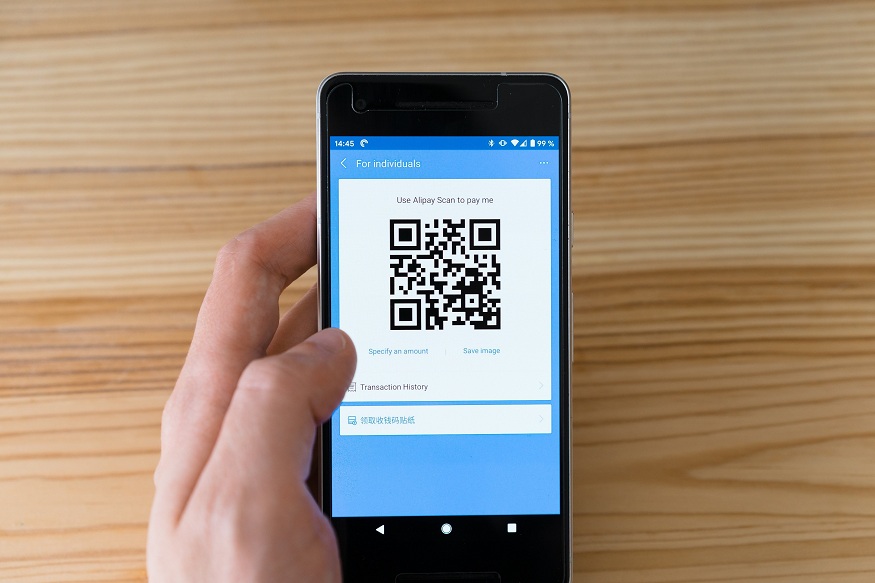

Digital payments have completely changed the way we handle our daily finances. Just a few years ago, carrying a bulky wallet full of cash was the norm for any shopping trip. Today, almost every street vendor and large retail store accepts instant digital transfers. This shift has made our lives much more convenient, but it has also introduced new questions about how we keep our money safe in a digital environment.
The backbone of this modern payment revolution is a system that prioritizes both speed and safety. As we move toward a cashless society, the technology behind these transactions must stay one step ahead of potential threats. This is where the concept of multi-layered security becomes vital for every user. Understanding how your money is protected helps you use these tools with more confidence and less anxiety.
One of the most important features in this security framework is two-factor authentication. While it might sound like a technical term used only by experts, it is actually a simple process that you interact with every day. It acts as a double lock on your digital front door, ensuring that only you can access your funds. By combining different types of verification, the system creates a shield that is very difficult for unauthorized individuals to break.
The Basic Mechanics of Two-Factor Authentication
To understand why your transactions are safe, you first need to know what two-factor authentication really is. In the world of cybersecurity, identity is usually verified using three categories. These are something you know, something you have, and something you are. Two-factor authentication, or 2FA, requires a combination of at least two of these categories before a transaction is approved.
Read More: HOW TO OPTIMIZE YOUR BILLING SOLUTIONS FOR BETTER CASH FLOW
In the context of UPI, the first factor is usually something you have. This is your specific mobile device and the SIM card associated with your registered phone number. The second factor is something you know, which is your secret PIN. Because the system requires both, a criminal cannot steal your money just by knowing your PIN. They would also need to have physical possession of your unlocked phone. Similarly, if someone steals your phone, they cannot make a transaction without knowing your secret code.
How a Secure UPI App Validates Your Identity
When you first set up a secure UPI app, the software performs a process called device binding. This is a critical security step that links your bank account to your specific smartphone hardware. The app sends a unique, encrypted SMS from your phone to verify that the SIM card matches the records held by your bank. This ensures that your account cannot be cloned or accessed from a different device without your knowledge.
This device binding serves as the primary layer of protection. It means that even if a hacker manages to get your login credentials through a data breach on another platform, they still cannot access your UPI account. They lack the physical device that has been “bound” to your identity. This marriage between software and hardware is what makes a secure UPI app so effective for daily use. It provides a level of security that traditional passwords alone simply cannot match.
The Role of the UPI PIN in Daily Security
While device binding protects the “something you have” part of the equation, the UPI PIN handles the “something you know” part. This four or six-digit code is the final gatekeeper for every outgoing payment. It is different from your mobile screen lock or your app login password. This separation of codes ensures that even if someone manages to bypass your phone security, they still face another barrier before they can move any funds.
The beauty of the UPI PIN is its simplicity for the user and its complexity for an attacker. It is easy to remember and quick to type, which keeps transactions fast. However, because it is never stored on the app servers in a plain text format, it is very hard to steal through digital means. Every time you enter your PIN, you are actively participating in a two-factor authentication process that keeps your bank account insulated from the outside world.
Read More: REVOLUTIONIZING PAYMENT PROCESSING: THE RISE OF CREDIT CARD SCANNERS
Protecting Against Social Engineering and Phishing
Even with strong technical safeguards, human error remains a significant risk. Fraudsters often use social engineering to trick people into giving up their security details. They might call you pretending to be a bank official or send a message claiming you have won a prize. They often try to create a sense of urgency to make you act without thinking.
Two-factor authentication provides a safety net against these tactics. A secure UPI app will often display clear warnings when you are about to send money to an unverified or suspicious account. Furthermore, the fundamental rule of UPI is that you only need to enter your PIN to send money, never to receive it. Understanding this simple fact, combined with the two-factor structure, makes it much harder for scammers to succeed. If someone asks for your PIN so they can “send” you a refund, you immediately know it is a scam.
Best Practices for Maintaining a Secure Payment Environment
While the system is designed to be robust, users still play a vital role in maintaining security. One of the best things you can do is ensure that your mobile operating system and your secure UPI app are always updated to the latest versions. Developers constantly release patches to fix newly discovered vulnerabilities. Staying updated means you always have the most recent shields in place.
Another important habit is to avoid using public or unsecured Wi-Fi networks when making financial transactions. These networks can sometimes be intercepted by third parties. It is always safer to use your mobile data or a trusted home network. Additionally, you should never use easy-to-guess PINs like your birth year or simple sequences like 1234. A unique, random PIN adds a significant layer of difficulty for anyone trying to guess your code.
The Future of Secure Digital Payments
The landscape of digital finance will continue to change, but the principles of two-factor authentication will remain a cornerstone of safety. By requiring both a physical device and a private code, the system effectively balances the need for a smooth user experience with the necessity of high-level protection. This allows us to enjoy the benefits of instant payments without constantly worrying about the safety of our bank accounts
As we look forward, the integration of artificial intelligence and better biometric data will likely make these processes even more seamless. We are moving toward a world where security happens almost entirely in the background, allowing us to focus on our lives rather than our locks. For now, being aware of how two-factor authentication works is the best way to stay empowered and safe in the digital economy.